
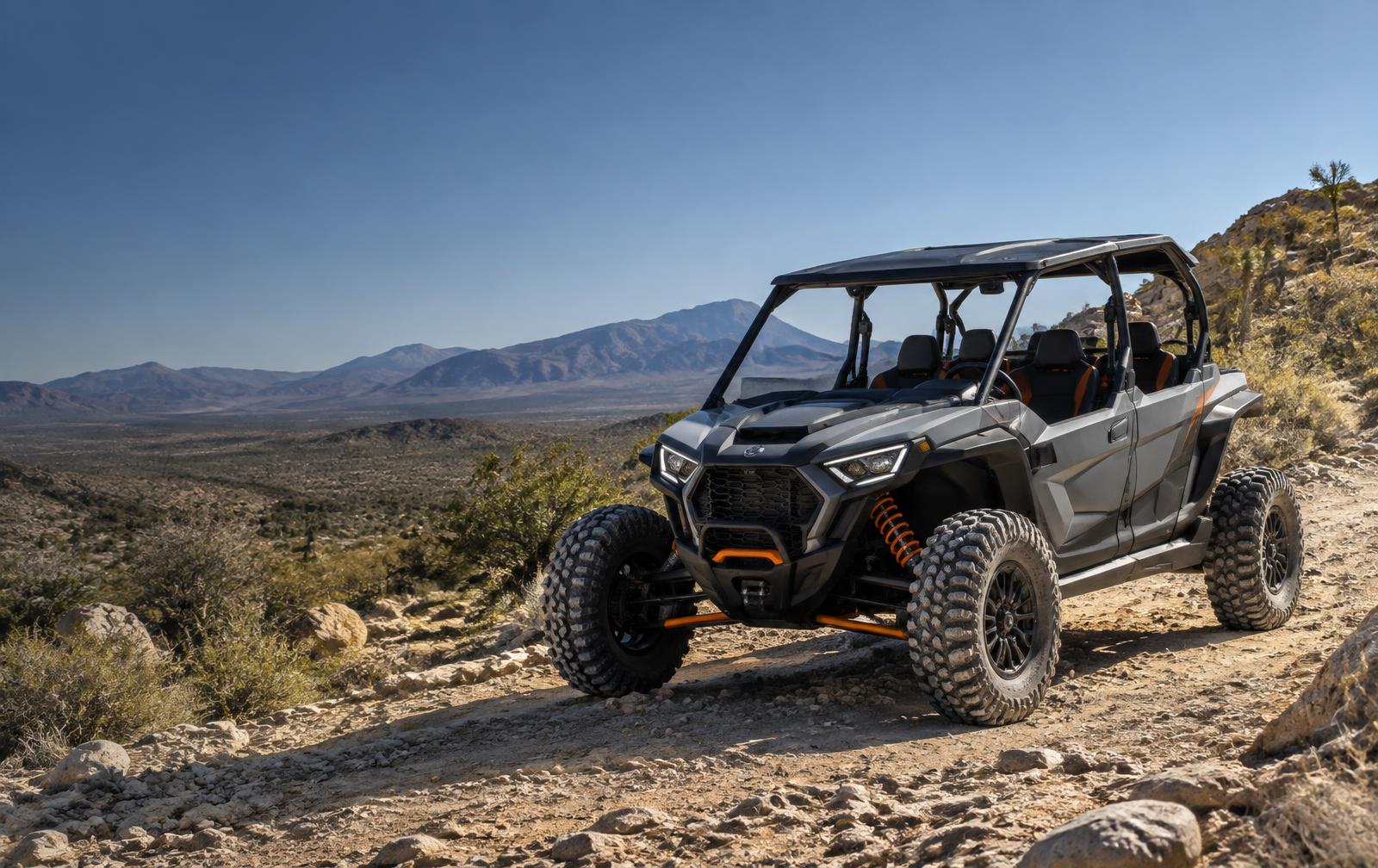
National ATV Injury Counsel
The machine
is evidence.
Serious ATV, UTV and side-by-side cases demand vehicle-specific investigation—not assumptions about the rider.
No outcome guaranteed
- 01 / Vehicle preservation
- 02 / Recall history
- 03 / Defect analysis
- 04 / Case evaluation
Signature intelligence
Start with the exact machine.
Manufacturer, model year, VIN, recalls and service campaigns can change how an incident is understood.
Cases & failure modes
Investigate beyond impact.
Rollover & Ejection
Restraints, doors, roof structure, handling and warnings can define the investigation.
02Fire & Component Failure
Fuel systems, heat shields, electrical parts and post-sale remedies deserve close review.
03Steering & Control
A loss of control may involve more than rider error. Preserve the machine before repair or disposal.
Guided case discovery
Start with what failed.
Choose the closest incident or vehicle issue. Each path represents the focused investigation a serious off-road case may require.
ATV accidents
Single-rider machines raise distinct stability, warning and control questions.
Open topicUTV accidents
Passenger vehicles add restraints, doors, seating and occupant-protection systems.
Open topicSide-by-side rollovers
Track width, center of gravity, handling and containment can shape a rollover case.
Open topicVehicle fires
Fuel, exhaust, electrical and heat-management systems require prompt preservation.
Open topicRestraint failures
Belts, buckles, doors, nets and warnings work as an occupant-protection system.
Open topicSteering / brake failures
Mechanical and electronic controls may reveal why a rider suddenly lost command.
Open topicRoll-cage issues
Structure, welds, geometry and foreseeable roof loading call for technical review.
Open topicRecalled vehicles
VIN ranges, remedy dates and prior repair history connect the machine to its timeline.
Open topicSerious injuries
Injuries tied to the machine.
Focused on the high-force, crush and fire injuries that naturally arise in ATV and side-by-side incidents.
How incidents happen
Trace the system, not a single moment.
Actual cause is fact-specific and may require technical, regulatory and legal investigation. These mechanisms are research paths, not findings.
Tell Us What Happened
Who may be involved
Responsibility depends on the facts.
Depending on the evidence, an investigation may consider one or more entities. Inclusion here is not an accusation or conclusion.
- 01Manufacturer
- 02Component maker
- 03Dealer / service provider
- 04Rental / operator entity
- 05Other fact-specific parties
Evidence & investigation
Build the record early.
Preservation steps vary. A qualified review can help identify what matters without treating this checklist as absolute legal advice.
- 01Physical vehicle / equipment
- 02Photos and video
- 03Receipts, tickets or reservations
- 04Incident reports
- 05Witness information
- 06Medical records
- 07Maintenance / inspection records
- 08Recalls and warnings
- 09Government investigations
- 10Other relevant documents
Research & resources
Useful before it is urgent.
Three easy starting questions
Vehicle. Location. Injury.
Free case evaluation. No fee unless we win your case.
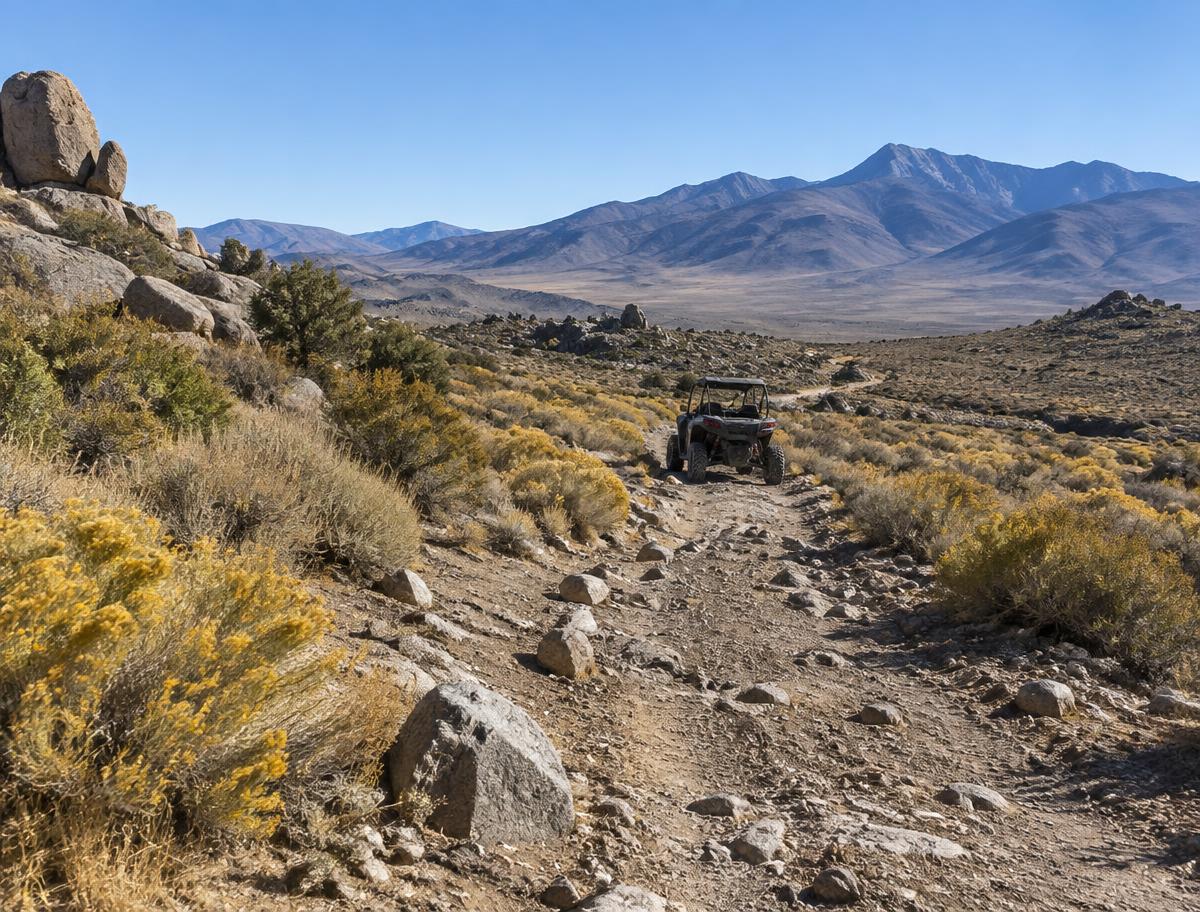
First deep market
California terrain.
California rules.
From desert recreation areas to agricultural operations, California cases demand attention to evidence, land context, product history and filing deadlines.
National reach
Evaluated across jurisdictions.
Matters are reviewed nationally, then evaluated according to jurisdiction. No single lawyer is presented as licensed everywhere.
Preserve the evidence
Tell us what happened.
A review helps identify the vehicle, evidence, deadlines and right jurisdiction.